Congratulations on your new puppy! The next few months are both exciting and overwhelming. Everyone has advice, much of it contradictory. Here's what actually matters.
Start Training Now — Really
"Wait until they're 6 months old" is outdated advice. Puppies are learning from the moment you bring them home — the only question is whether they're learning what you want them to learn.
The critical socialization period ends around 16 weeks. Behaviors learned (or not learned) during this window are much harder to change later. Every day counts.
Focus on These Fundamentals
1. Name recognition
Your puppy should look at you when they hear their name. Practice constantly: say name, puppy looks, immediate reward. This becomes the foundation for everything else.
2. Sit
The single most useful behavior. Puppies who default to sitting when they want something don't jump, don't lunge, don't paw at you. Use sit as the price of admission for everything good.
3. Leave it / Drop it
These prevent resource guarding and keep your puppy safe. Start with boring objects and work up to high-value items.
4. Come when called
Build this slowly with lots of rewards. Never punish a puppy who comes to you, even if they were just doing something wrong. Coming to you should always be positive.
5. Loose leash walking
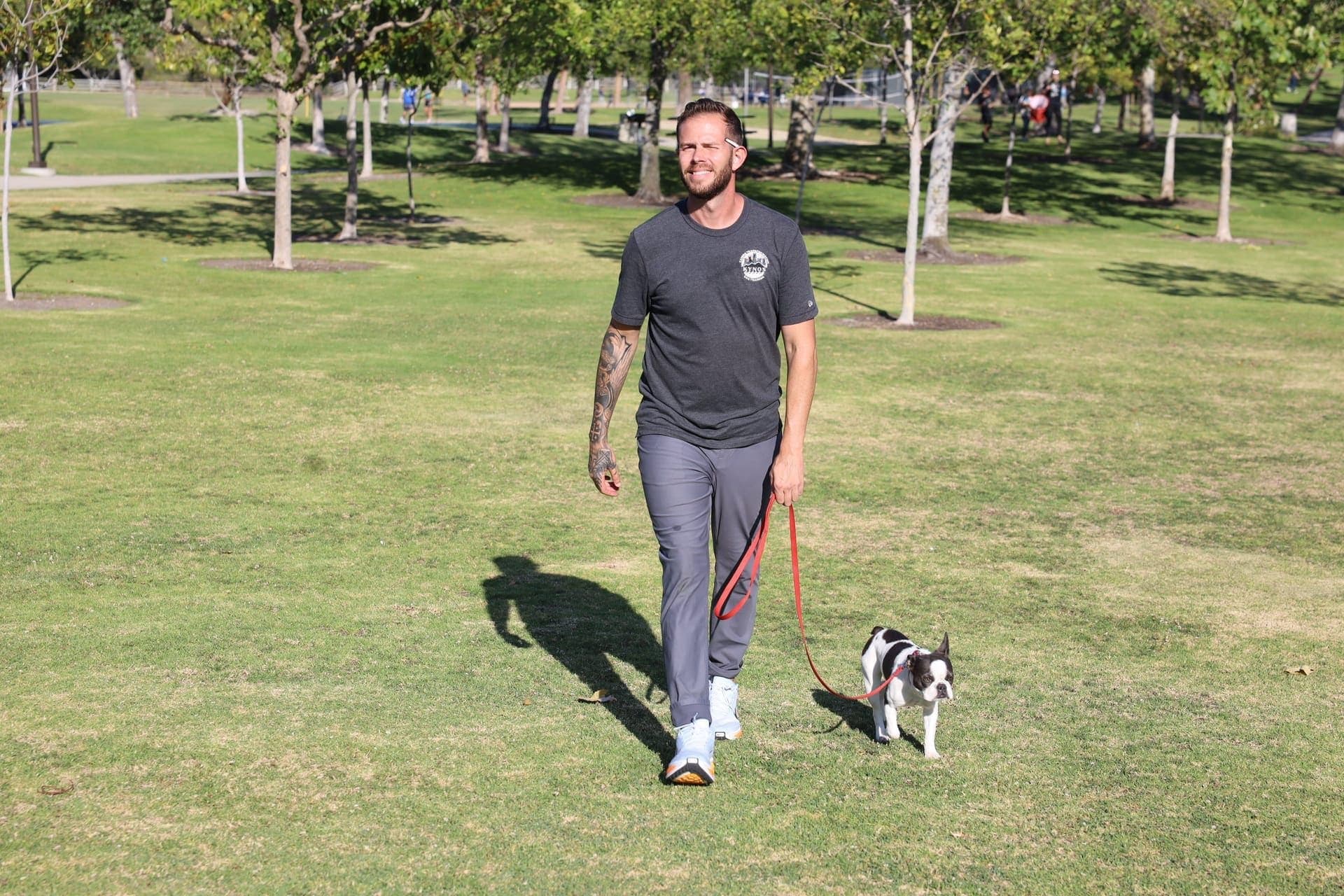
Start the day you bring them home. If you wait until they're bigger and stronger, you'll be fighting bad habits instead of building good ones.
Common Puppy Mistakes to Avoid
Mistake #1: Waiting to start training
Every week you wait is a week of practicing bad habits. [Puppy training](/services/puppy-training) can start as early as 12 weeks.
Mistake #2: Too much freedom too soon
Puppies don't need free run of the house. Use crates, pens, and gates to manage their environment and prevent bad habits from forming.
Mistake #3: Inconsistent rules
If jumping is cute now but won't be cute when they're 70 pounds, don't allow it now. Puppies don't understand "you can do this until you're bigger."
Mistake #4: Skipping socialization
Socialization isn't just playing with other dogs. It means positive exposure to:
Mistake #5: Over-relying on treats
Treats are useful tools, but your puppy should also work for praise, play, and access to things they want. A dog who only works for food stops working when there's something more interesting.
House Training Basics
**Frequency:** Take your puppy out:
**Timing:** Young puppies can hold it approximately one hour per month of age. A 3-month-old puppy needs to go out every 3 hours.
**Spot:** Always take them to the same spot. The smell reminds them what they're there to do.
**Reward:** Reward immediately after they go — not when you get back inside, but right there in the spot.
When to Get Professional Help
Consider professional [puppy training in Orange County](/services/puppy-training) if:
Our [Day Train program](/program) accepts puppies starting at 12 weeks old. Your puppy trains with Jake personally, building skills in real outdoor environments, and you learn exactly how to maintain the training at home.
The Bottom Line
The first year matters more than any other time in your dog's life. The habits you build now — good or bad — will be with you for years. Start training early, be consistent, and don't be afraid to ask for help.
Have questions about your new puppy? [Call or text Jake](/contact) to schedule your evaluation and discuss your puppy's specific needs.