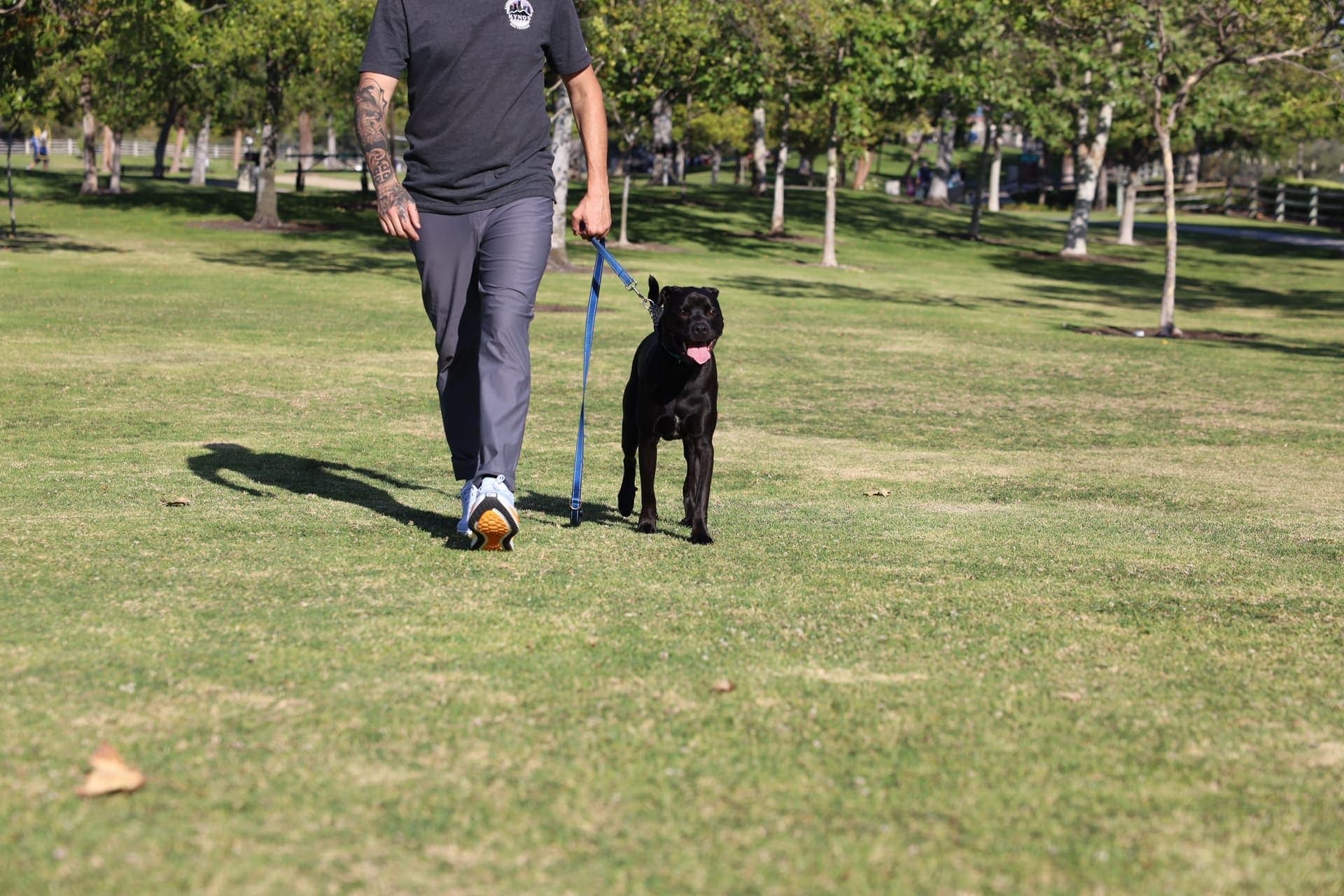
Reactive Dog Training in Orange County
Your dog barks, lunges, or shuts down around triggers. It's stressful for both of you. Our structured approach helps reactive dogs learn to stay calm in the real world.
Reactivity Isn't Aggression — But It Still Needs Work
Reactivity is an overreaction to triggers in the environment. It might look aggressive, but most reactive dogs aren't dangerous — they're overwhelmed, frustrated, or afraid.
The problem is that reactivity tends to get worse over time if left unaddressed. Every time your dog practices reacting, that behavior gets stronger. Avoidance helps in the moment but doesn't fix the underlying issue.
The good news: reactivity can be significantly improved with the right approach, consistency, and patience.
Signs of Reactivity
- Barking and lunging at other dogs on leash
- Fixating on dogs, people, or objects
- Pulling aggressively toward triggers
- Shutting down or freezing around other dogs
- Barking at people entering your home
- Overreacting to movement or sounds
How We Help Reactive Dogs
Reactive dog training requires patience, structure, and real-world practice. Here's our approach:
Understanding Triggers
We identify what sets your dog off and why — fear, frustration, excitement, or something else.
Threshold Management
Training happens at distances where your dog can think, gradually decreasing distance over time.
Building Alternative Behaviors
Teaching your dog what TO do instead of reacting — focus, check-in, and calm redirection.
Real-World Application
All training happens outdoors where triggers naturally exist, not in a sterile facility.
Why Reactive Dogs Need Outdoor Training
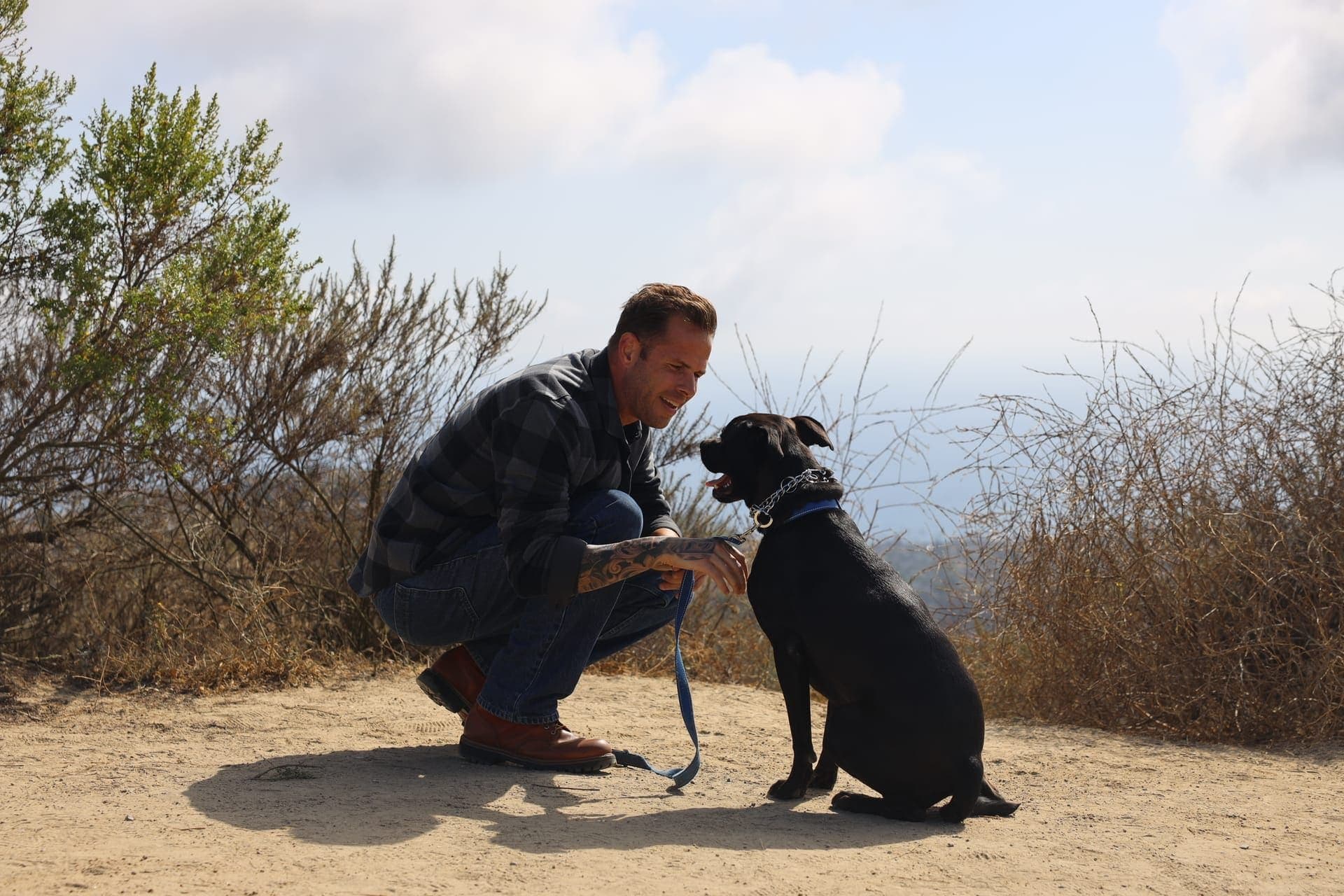
You can't fix reactivity in a training room. The triggers aren't there. The distractions aren't there. The real-world pressure isn't there.
All Kynos training happens outdoors at Foothill Ranch Community Park, where your dog encounters real triggers — other dogs, people, bikes, wildlife — at manageable distances.
This allows us to work with your dog's actual responses, not simulate them in a controlled environment that doesn't transfer to real life.
- Real triggers at real distances
- Gradual exposure over 6 weeks
- Skills that transfer to your neighborhood
Reactive Dog Day Train Program
- 6-Week ProgramStructured progression from foundation to real-world application
- Daily, 8:00 AM – 9:00 PM by appointmentYour dog comes home every night
- Jake-Led SessionsThe same experienced trainer works with your dog every day
What to Expect from Reactive Dog Training
We believe in honest expectations. Reactivity isn't “cured” in 6 weeks — it's managed. Our goal is to give your dog the skills to handle triggers calmly and give you the tools to maintain that progress.
Most dogs show significant improvement during the program, but ongoing work is required at home. We include owner coaching throughout the program so you know exactly how to reinforce and build on what your dog has learned.
If you're committed to the process, real change is possible. But there are no magic fixes.
Reactive Dog Training FAQs
Can reactive dogs really be fixed?
Reactivity can be significantly improved with the right approach, but we're honest: it's managed, not cured. Our goal is to give your dog the skills to handle triggers calmly and give you the tools to maintain that progress long-term.
Is my dog aggressive or reactive?
Most reactive dogs aren't aggressive — they're overwhelmed, frustrated, or afraid. Reactivity is an overreaction to triggers. During your in-person evaluation, we'll help you understand what's driving your dog's behavior.
Will my reactive dog be around other dogs during training?
Yes, but at carefully managed distances. Exposure to triggers is essential for progress, but we never flood or overwhelm dogs. Jake controls the environment to ensure your dog can think and learn.
How long does it take to see improvement?
Most owners notice meaningful improvement within the first 2-3 weeks. By week 6, dogs typically show significant reduction in reactive episodes. However, ongoing work at home is required to maintain and build on these results.
What if my dog has bitten before?
We work with dogs that have bite histories, but we need to assess each case individually. During your in-person evaluation, be honest about your dog's history so we can determine if our program is the right fit.
Ready to Help Your Reactive Dog?
Call or text Jake to schedule your evaluation and discuss your dog's specific triggers and see if our program is the right fit.