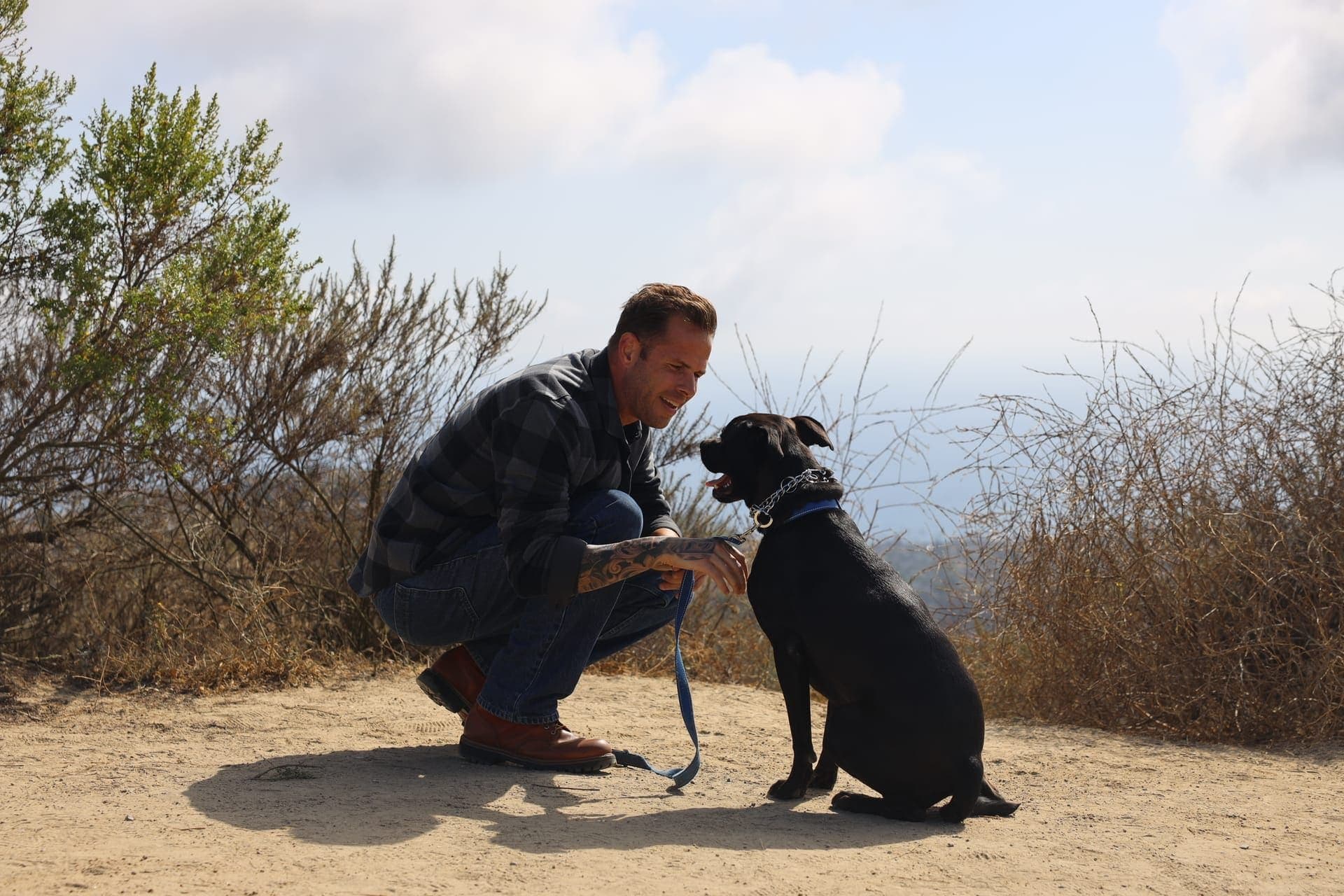
Your dog is perfect at home. They sit on command, stay when you ask, come when called. But take them to the park and it's like they've never had a day of training in their life.
Sound familiar? You're not alone — and it's not a training failure. It's a context problem.
Why Dogs Fall Apart Around Distractions
Dogs don't generalize well. When you teach your dog to sit in your living room, they learn "sit" means "put my butt on the ground in this specific place." They don't automatically understand that "sit" means the same thing at the park, the vet's office, or your friend's house.
Every new environment is essentially a new classroom. The distractions — other dogs, squirrels, new smells, people — compete directly with your commands for your dog's attention.
The Three D's of Dog Training
Professional trainers think about distractions in terms of three variables:
Distance
How far away is the distraction? A dog at 100 feet is less distracting than a dog at 10 feet. When your dog struggles around a trigger, increasing distance is the first tool.
Duration
How long does your dog need to maintain the behavior? Holding a sit for 2 seconds is easier than holding it for 30 seconds while a squirrel runs by.
Distraction Level
How exciting or threatening is the stimulus? A calm dog across the park is less distracting than a barking dog lunging at the fence.
The mistake most owners make is pushing all three variables at once. They expect their dog to hold a long sit (duration) right next to an exciting dog (distance, distraction) and wonder why it fails.
How to Train Around Distractions
Step 1: Master the basics in boring environments
Before you can expect reliability around distractions, your dog needs rock-solid basics in low-distraction environments. This means:
If you don't have this foundation, distractions will always win.
Step 2: Add one variable at a time
Once you have the foundation:
Step 3: Use real-world environments
This is crucial. You can't prepare your dog for the park by only training in your backyard. At some point, you need to train in the actual environments where you need the behavior.
This is exactly why all Kynos training happens outdoors at [Foothill Ranch Community Park](/locations/lake-forest). Your dog learns around real distractions — other dogs, joggers, wildlife, bikes — from day one.
Step 4: Set up for success
Don't throw your dog into overwhelming situations and hope for the best. Set them up to succeed:
Why Outdoor Training Matters
You can't proof behaviors against distractions if you train in a sterile indoor facility. The distractions simply aren't there.
This is the fundamental problem with most training approaches: they teach behaviors in environments that don't match real life, then owners are surprised when the training doesn't transfer.
At Kynos, every training session happens in real-world outdoor environments. By the end of the [6-week program](/program), your dog has practiced commands around:
The Bottom Line
If your dog listens at home but not in public, you don't need more commands — you need more practice in distracting environments. Start at a distance where your dog can succeed, and gradually build from there.
Need help with distractions? [Call or text Jake](/contact) to schedule your evaluation and see how outdoor training can transform your dog's behavior in real-world environments.