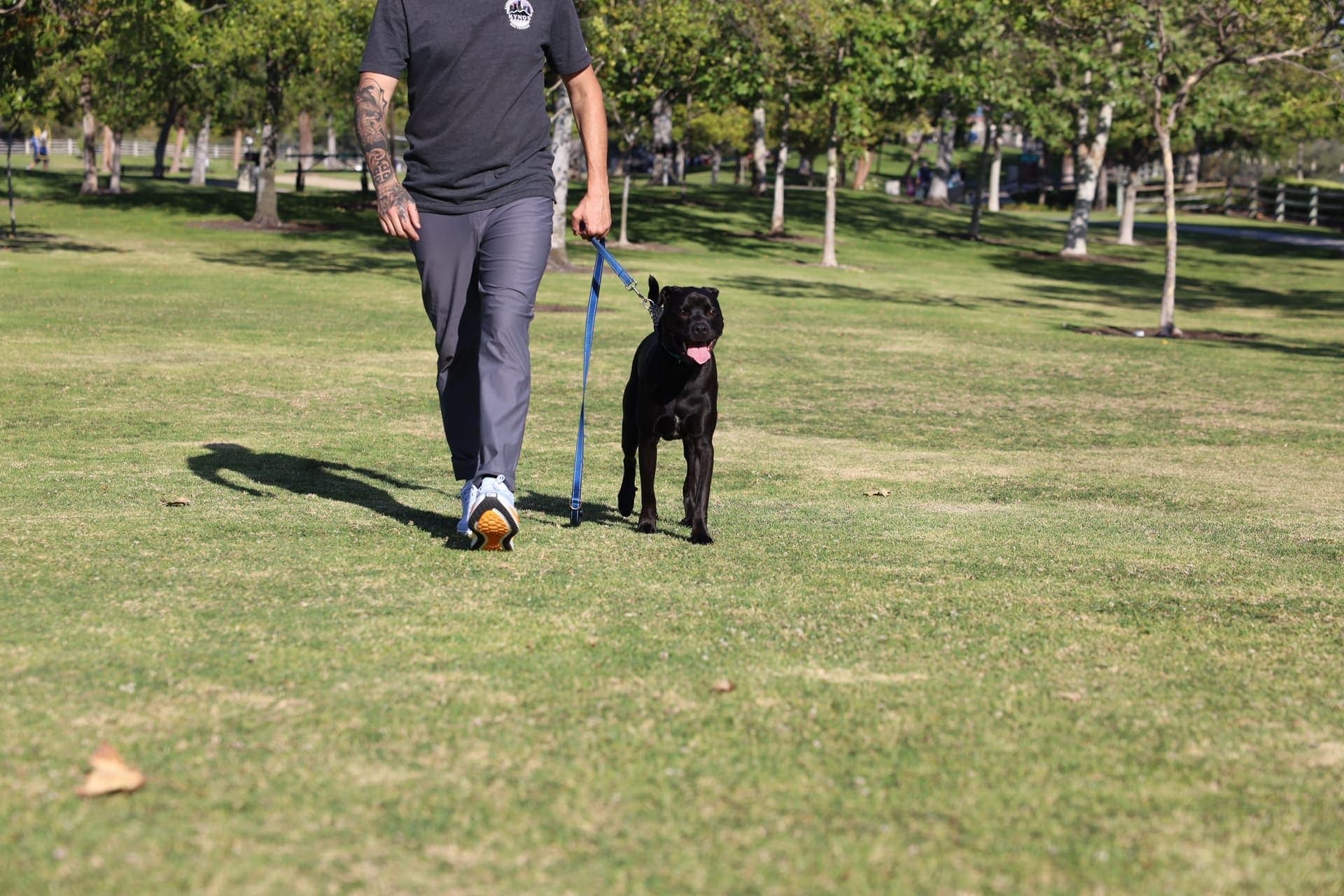
A walk should be the best part of your dog's day — and yours. Instead, for most owners, it's a tug-of-war. Your shoulder aches, your dog is choking against the collar, and you dread the next dog rounding the corner.
Here's the good news: pulling isn't a personality trait. It's a habit, and habits can be replaced.
Why Dogs Pull
Dogs don't pull because they're dominant or stubborn. They pull for one simple reason: it works. Every time your dog forges ahead and gets to sniff that bush, greet that dog, or reach that corner faster, pulling gets rewarded. Repeat that a few hundred times and you have a dog who's convinced that leaning into the leash is how walking works.
The leash also adds something called "opposition reflex" — when a dog feels pressure, their instinct is to push against it. So the harder you pull back, the harder they pull forward. You're not correcting the behavior; you're reinforcing it.
Loose Leash Walking Is a Skill, Not a Setting
Most people treat leash manners as something a dog either has or doesn't. In reality, loose leash walking is a trained skill built on a few clear fundamentals.
1. The leash should stay loose — always
The rule is simple: a tight leash means forward motion stops. A loose leash means the walk continues. When your dog learns that pulling makes progress end and slack makes it resume, they start doing the math themselves.
2. Reward the position you actually want
Instead of only reacting to pulling, actively reward your dog for being in the right place — at your side, with slack in the leash. Mark and reward that position often, especially early on. You're teaching your dog that staying near you pays better than pulling away.
3. Your pace and direction set the rules
If your dog surges ahead, calmly change direction. If they lock onto a distraction, stop and wait for them to reorient to you. You decide where the walk goes and how fast — not the dog on the end of the line.
4. Attention comes before obedience
A dog who's checking in with you can walk politely. A dog who's completely fixated on the environment can't. Before you worry about perfect heeling, build the habit of your dog periodically glancing back to you. That connection is the real foundation of a good walk.
The Equipment Question
Owners often ask which tool will fix pulling — a harness, a head halter, a specific collar. The honest answer: equipment can help manage pulling, but no tool trains loose leash walking for you. A well-fitted tool used with good timing and consistency is useful. The same tool used to simply drag a dog around changes nothing.
During your [evaluation](/contact), Jake will look at what you're currently using and recommend the right setup for your specific dog.
Why We Train Leash Skills Outdoors
You can't build real leash manners in a quiet living room. Pulling happens because of distractions — other dogs, squirrels, joggers, smells. That's why all Kynos training happens outdoors at [Foothill Ranch Community Park](/locations/lake-forest), where those distractions actually exist.
By practicing loose leash walking around real triggers from day one, your dog learns to hold it together in the environments where you actually need it. This same real-world approach runs through our [Day Train program](/program) and our [private training](/services/private-dog-training) work.
Common Leash Training Mistakes
The Bottom Line
Pulling isn't permanent. Your dog pulls because it has always worked — change what works, and you change the behavior. Keep the leash loose, reward the right position, and practice around real distractions.
Tired of being dragged down the street? [Call or text Jake](/contact) to schedule your evaluation and let's build calm, connected walks together.